
"Santo Domingo coffee"
300 article(s) found

Santo Domingo Coffee introduction
Dominica Dominica: Santo Domingo coffee taste characteristics: fresh and elegant, full particles, excellent acidity, pleasant flavor. The Dominican Republic is located in the east of the island of Haiti in the West Indies, bordering the Republic of Haiti to the west, the Atlantic Ocean to the north and the Caribbean Sea to the south. With an area of about 49000 square kilometers and a population of 7.1 million, the Dominican Republic and the Republic of Haiti coexist in

Dominica coffee producing Santo Domingo coffee with a faint fragrance
In the early 18th century, coffee was introduced to Domiga from Martinique, and fine coffee was produced in the north represented by Hibao and in the south, including Okayabani Santo Domingo. Among them, the coffee produced by Santo Domingo and Barney, which is almost synonymous with domiga coffee, is a world-famous high-quality coffee. Santo Domingo coffee, characterized by freshness and elegance.

Introduction to the characteristics of Dominica Coffee Flavor and taste Manor
In 1677, about 4,000 French lived in 11 villages in the west of the island. In 1697, France and Spain ceded the western part of the island to France according to the Leswick Treaty of the Alliance War, formally recognizing French sovereignty over Haiti in the western part of the Spanish island, and the eastern part of the Spanish island was called East Santo Domingo. France continues to develop its agricultural economy on the island of Hispaniola.

Fresh and elegant Dominican Santo Domingo coffee flavor varieties Production area Fine coffee beans Features
In 1801, Jean L'Oréal arrived in Santo Domingo. He represented the French government in abolishing slavery. In 1802 Napoleon sent troops to conquer the island and ruled for several months. In October 1802, mixed races and blacks revolted against French rule and defeated the French in 1803. On January 1, 1804, the rebels declared Santo Domingo independent and established the Republic of Haiti. But defeated.

Faintly fruity Dominica Santo Domingo Coffee Flavor Manor
At the beginning of the 17th century, when French, Dutch and British pirates were operating in the west of Hispaniola, France began to allow farmers and merchants to gradually colonize the western part of the Spanish island, which was blocked by mountains on the island. It didn't attract the attention of the Spaniards in the east. [3] in 1677, about 4,000 French lived in 11 villages in the west of the island. In 1697, France and

An introduction to the characteristics of the fresh, elegant and full-grained coffee flavor manor in Santo Domingo, Dominica.
At the beginning of the 17th century, when French, Dutch and British pirates were operating in the west of Hispaniola, France began to allow farmers and merchants to gradually colonize the western part of the Spanish island, which was blocked by mountains on the island. It didn't attract the attention of the Spaniards in the east. [3] in 1677, about 4,000 French lived in 11 villages in the west of the island. In 1697, France and

Dominica's Santo Domingo coffee
Santo Domingo is a city with a history of 500 years

Santo Domingo coffee from Dominica, the country where boutique coffee beans are produced.
Santo Domingo is a city with a history of 500 years. Coffee produced by Santo Domingo and Barney, which is almost synonymous with Domiga coffee, is a world-famous high-quality coffee. Its flavor and taste characteristics: fresh and elegant, full particles, excellent acidity, pleasant aroma. The Dominican Republic is located in the east of the island of Haiti in the West Indies, bordering the Republic of Haiti in the west and the Atlantic Ocean in the north.

Santo Domingo, Dominican Republic Coffee Varieties Producing Areas Flavors Taste Characteristics Boutique Coffee Introduction
In 1677, about 4,000 French lived in eleven villages in the western part of the island. In 1697, France and Spain ceded the western part of the island to France under the Treaty of Leswick of the Great Alliance War, officially recognizing French sovereignty over Haiti in the west of the Spanish island, and calling the eastern part of the Spanish island Santo Domingo. France on Hispaniola continues to develop an agricultural economy

Introduction of Flavor characteristics of Fine Coffee beans in Dominica Santo Domingo Coffee Variety producing area
In 1677, about 4,000 French lived in 11 villages in the west of the island. In 1697, France and Spain ceded the western part of the island to France according to the Leswick Treaty of the Alliance War, formally recognizing French sovereignty over Haiti in the western part of the Spanish island, and the eastern part of the Spanish island was called East Santo Domingo. France continues to develop its agricultural economy on the island of Hispaniola.

Coffee growing in Santo Domingo, Dominican Republic Location Climate Altitude Profile
In the early 18th century, coffee was introduced to Dominica from Martinique, and the northern regions, represented by Ciba, and the southern regions, including Ocayabani Santo Domingo, produced fine coffee. Among them, Santo Domingo and Bani produced coffee, almost synonymous with Domica coffee, is world-famous quality coffee. Santo Domingo coffee, characterized by fresh and elegant,

Grinding scale of Santo Domingo coffee beans in Dominica A brief introduction to the cultivation of varieties in manor areas
In the early 18th century, coffee was introduced to Domiga from Martinique, and fine coffee was produced in the north represented by Hibao and in the south, including Okayabani Santo Domingo. Among them, the coffee produced by Santo Domingo and Barney, which is almost synonymous with domiga coffee, is a world-famous high-quality coffee. Santo Domingo coffee, which is characterized by freshness and elegance,

Introduction to the characteristics of Dominica coffee flavor and taste manor area
At the beginning of the 17th century, when French, Dutch and British pirates were operating in the west of Hispaniola, France began to allow farmers and merchants to gradually colonize the western part of the Spanish island, which was blocked by mountains on the island. It didn't attract the attention of the Spaniards in the east. [3] in 1677, about 4,000 French lived in 11 villages in the west of the island. In 1697, France and
Santo Domingo, Dominican Republic
Dominican coffee has a coffee aroma characteristic of the island region. Island and coastal coffees in general are characterized by a mild taste, while Dominican coffees are pure and soft. Drink Dominican coffee, and the taste of the alpine region will gently fill the mouth. Slight acidity in the main aroma, balanced complexity and rich taste, medium texture and refreshing acidity. Dominy
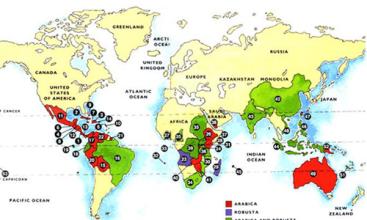
Boutique Coffee Manor introduction: Dominica's Santo Domingo coffee fresh and elegant taste
Santo Domingo is a city with a history of 500 years. Coffee produced by Santo Domingo and Barney, which is almost synonymous with Domiga coffee, is a world-famous high-quality coffee. Its flavor and taste characteristics: fresh and elegant, full particles, excellent acidity, pleasant aroma. The Dominican Republic is located in the east of the island of Haiti in the West Indies, bordering the Republic of Haiti in the west and the Atlantic Ocean in the north.

Introduction to the flavor and taste of Santo Domingo's boutique coffee manor
In the early 18th century, coffee was introduced to Domiga from Martinique, and fine coffee was produced in the north represented by Hibao and in the south, including Okayabani Santo Domingo. Among them, the coffee produced by Santo Domingo and Barney, which is almost synonymous with domiga coffee, is a world-famous high-quality coffee. Santo Domingo coffee, which is characterized by freshness and elegance,
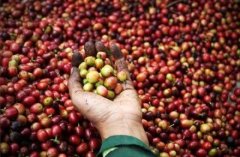
Santo Domingo Coffee Dominica Fine Coffee Bean introduction Santo Domingo Coffee
Flavor and taste characteristics: fresh and elegant, full particles, excellent acidity, pleasant aroma. The Dominican Republic is located in the east of the island of Haiti in the West Indies, bordering the Republic of Haiti to the west, the Atlantic Ocean to the north and the Caribbean Sea to the south. With an area of about 49000 square kilometers and a population of 7.1 million, the Dominican Republic and the Republic of Haiti coexist on an island bordering Haiti. Like its neighbors.

Santo Domingo Coffee, a coffee-producing region in southern Dominica
In the south, they all produce good coffee. Among them, the coffee produced by Santo Domingo and Barney, which is almost synonymous with domiga coffee, is a world-famous high-quality coffee. Santo Domingo coffee is characterized by freshness, elegance, fullness, excellent acidity and pleasant aroma, so it is worth it. The selection of Dominican coffee is usually done manually. The selection is mainly based on

Introduction to boutique coffee manor: the fresh and elegant taste of Dominica's Santo Domingo coffee
The coffee beans treated by washing method retain more original flavor than the drying method, and the aroma is pure and soft. Carefully selected in this way, the high-quality Dominican coffee exudes a faint aroma and gives people a faint fruity aroma with a lingering finish and a smooth and smooth finish. Santo Domingo is a city with a history of 500 years. Coffee from Santo Domingo and Barney

Introduction to the characteristics of Dominica Santo Domingo Coffee Flavor Manor
At the beginning of the 17th century, French, Dutch, and British pirates were operating in the western part of the island of Hispaniola. France began to allow farmers and merchants to gradually colonize the western part of the Spanish island, blocked by the island's mountains. Without attracting the attention of Spaniards in the east, in 1677, about 4,000 French lived in 11 villages in the west of the island. In 1697, France and Spain